

Small business web design works best when five decisions come before visual polish: who the buyer is, what problem the page solves, why the offer is credible, what action the visitor should take, and how the business follows up. Design matters, but it cannot repair an unclear offer or a broken sales path.
Why Small Business Web Design Starts Before Visuals
Templates and DIY tools have made basic publishing easier. The harder work is deciding what the website should say, what each page should do, and how it supports the way the business wins customers.
The real question isn’t how pretty your website looks. It’s how you break through the noise in your market.
A recognized company can rely on familiarity. A smaller business needs to explain why the right buyer should consider it instead of an established alternative.
That something is positioning architecture.
The Four Pillars That Actually Matter
Before choosing a layout or visual style, work through four foundations:
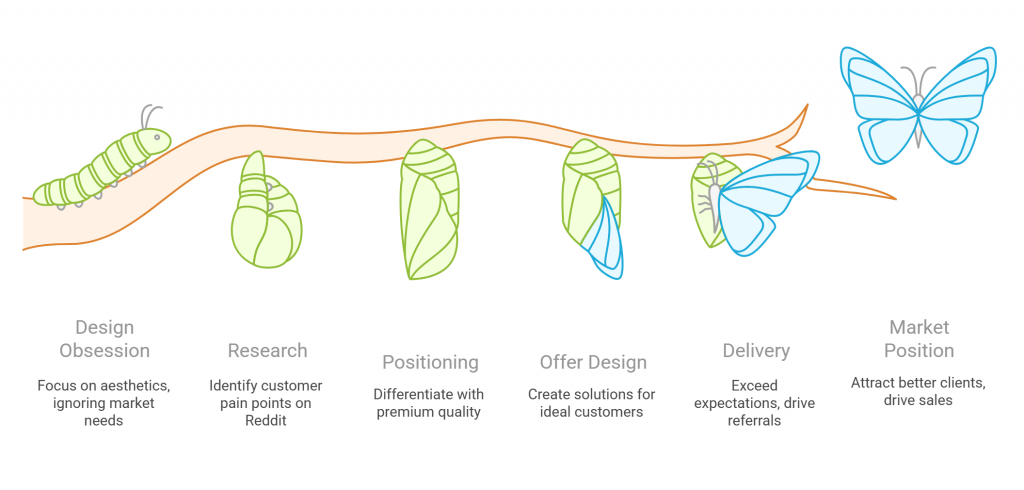
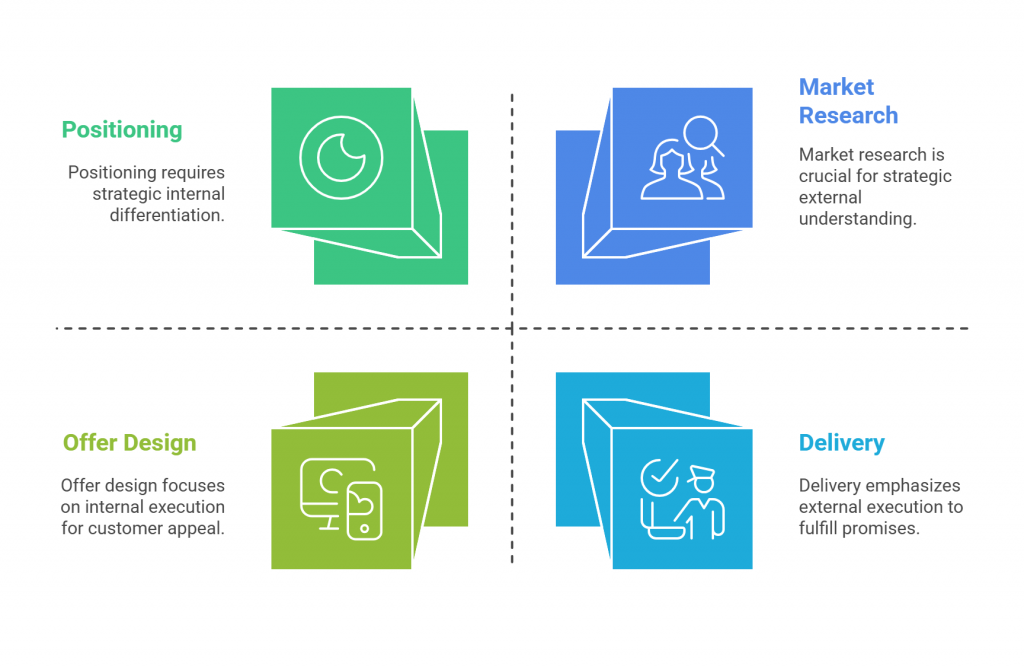
Research: What is the market actually saying? Where are competitors dropping the ball? Interviews, sales calls, reviews, search results, community discussions, and support questions can all reveal what buyers care about.
Positioning: How will you use that evidence to make a clear choice about who the business serves and why it is worth choosing?
Offer design: Create an offer that addresses a specific buyer problem and makes the next step easy to understand.
Delivery: Execute on promises so well that customers refer others and keep coming back.
Use Customer Language, Not Internal Jargon
Here’s where most businesses get positioning wrong: they ask customers directly about their problems.
People may soften feedback in a sales conversation but describe frustrations more directly in reviews, community discussions, and support requests. Those sources can improve the language on the website, but they should be checked against real customer conversations.
One construction company discovered something powerful through this research. Every competitor talked about what they do: “We pour concrete, we frame houses, we install roofing.”
But customers complained about different things entirely: poor communication, missed deadlines, surprise costs.
The positioning flip was simple: stop talking about what you do, start solving what customers actually worry about. For example, people don’t buy construction services. They buy peace of mind that their project won’t become a nightmare.
The useful shift was from listing services to addressing the risks buyers were already discussing.
Choose a Position the Business Can Deliver
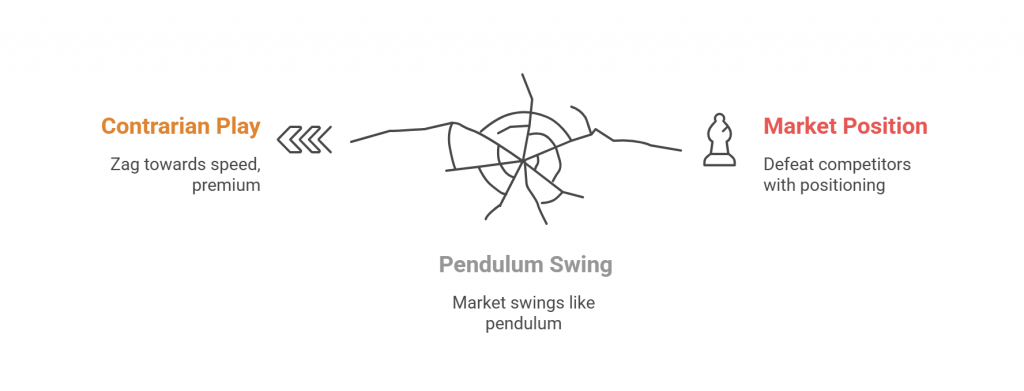
Every market swings like a pendulum. Right now, we’re in an attention economy where speed dominates. Everyone wants things now.
Most businesses see this trend and follow it: faster service, cheaper prices, instant everything.
The contrarian play? When everyone zigs toward speed and cheap, you zag toward speed and premium. You charge more for faster delivery while others race to the bottom.
The position must also be credible. A promise of premium speed only works when the delivery system can support it.
The Delivery Reality Check
Here’s the accountability moment most businesses miss: positioning creates expectations you must deliver on.
You can make any business look amazing through positioning. But if they can’t deliver on those promises, the strategy backfires spectacularly.
This is why selectivity matters. Not every business has the operational foundation to support premium positioning. Some need to fix their delivery systems before rebuilding their market position.
When the message matches delivery, the website can help better-fit buyers recognize themselves and make a decision with less uncertainty.
Your Positioning Audit
Before planning the visual redesign, ask these questions:
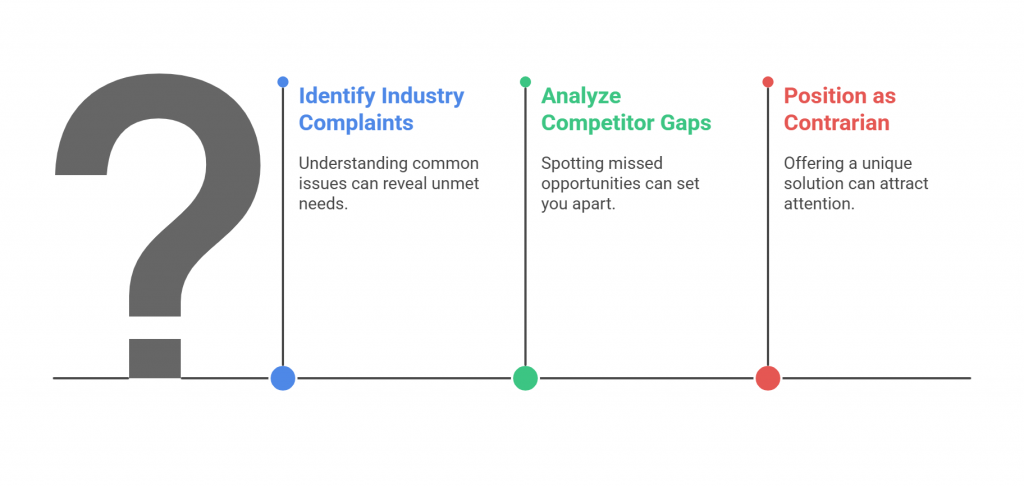
What are people in your industry complaining about on Reddit? What gap do competitors consistently miss? How can you position yourself as the contrarian solution?
Your market position determines everything else. Get that right, and even a simple website drives sales.
Get it wrong, and no amount of design polish will save you.