



Here’s the thing… adding more marketing tactics won’t fix broken business foundations. While 84% of creators use AI tools and competition floods every channel, 87.5% of growth initiatives fail because founders skip the hard work: positioning, unit economics, and systems. The businesses winning in 2026 will stop chasing tactics and start building structural clarity first.
Core Answer:
-
Customer acquisition costs tripled in 8 years (222% increase). Ecommerce brands lose $29 per new customer on average.
-
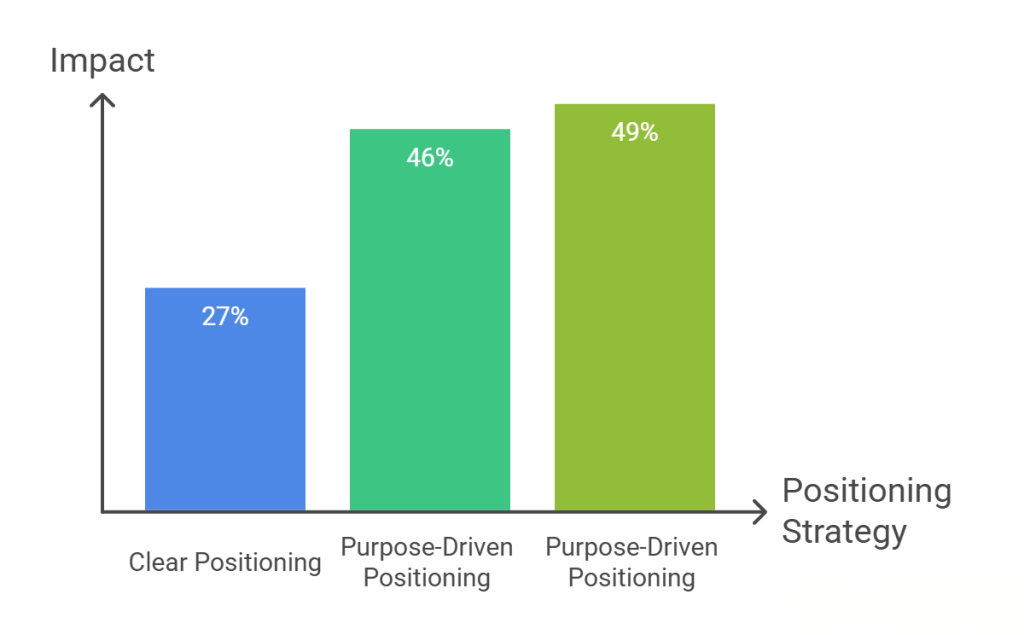
Companies with clear positioning show 27% higher ROI and 46% faster growth.
-
McKinsey data shows 80% of growth comes from maximizing your core, not new tactics.
-
Fix foundation first: positioning, value clarity, unit economics, repeatable systems.
What’s Breaking Right Now
I’ve been watching something fall apart.
84% of content creators now use AI tools. Everyone has access to the same tactics, the same frameworks, the same templates. The noise keeps getting louder.
Yet 87.5% of digital transformation initiatives still fail.
It’s not because founders lack ambition. It’s not because they’re missing the latest tactic. It’s because they’re building on broken foundations.
The Real Issue: Tactical sophistication can’t compensate for structural instability. When your foundation is chaos, optimization becomes impossible.
Why Tactics Alone Don’t Work
I used to think more activity meant more progress. Run more ads. Ship more content. Test more channels.
After years of watching brands spin their wheels, I realized the pattern.
Brands lose months jumping between tactics while their foundational elements remain unstable. Target audience undefined. Customer value unclear. Positioning vague. Pricing reactive. Profitability uncertain.
You can’t optimize what isn’t structurally sound.
Customer acquisition costs have tripled in eight years. A 222% increase across industries. Ecommerce brands now lose an average of $29 for every new customer acquired.
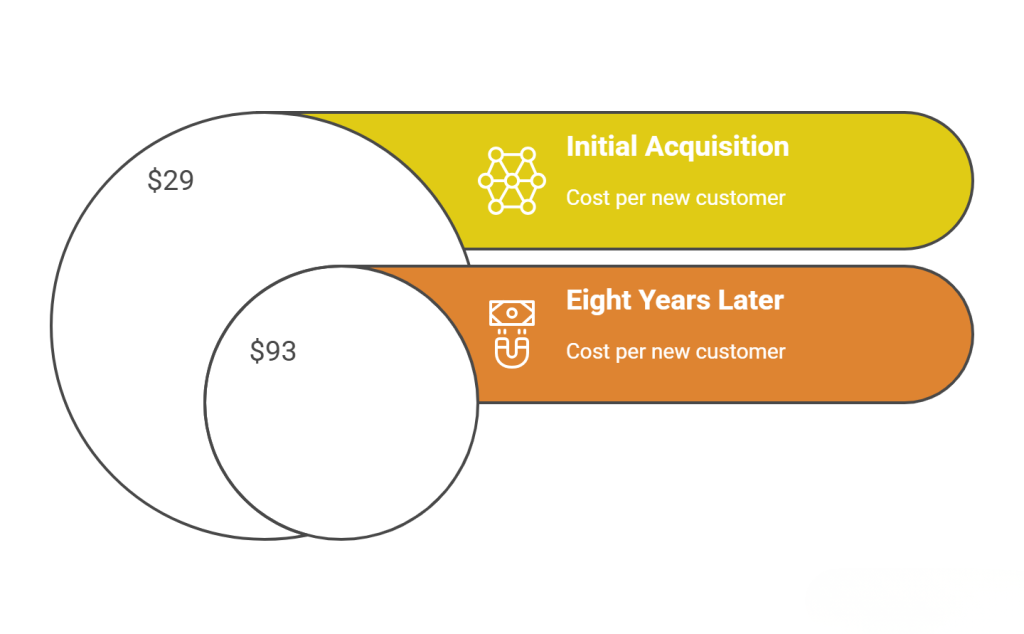
The math doesn’t work when your foundation is chaos.
Bottom Line: Tactical execution fails without strategic clarity. The cost of skipping foundation work compounds over time.
What Separates Winners from Wheel-Spinners
Companies with clear positioning show 27% higher ROI than competitors with vague positioning.
Purpose-driven positioning drives 46% faster growth and 49% higher employee loyalty.
But here’s what I’ve observed across dozens of brands: companies with established positioning have lower acquisition costs because they don’t need to spend as much building trust from scratch.
Trust is the foundation. Positioning is the foundation. Systems are the foundation.
Tactics are the route you take once you know where you’re going.
Why This Matters: Foundation work lowers the cost of everything you do after. Tactics become cheaper and more effective when executed on solid ground.
The 80/20 Rule You’re Ignoring
McKinsey’s research shows 80% of growth comes from maximizing the value of your core.
Not the next shiny tactic. Not the newest platform. Your core.
Strategy defines what you’re trying to achieve. Tactics define how you’ll get there. Without a clear strategy, operations become aimless and disjointed. Without effective tactics, strategy stays theoretical.
But you need the strategy first.
I’ve seen too many founders reverse this. They pile on tactics hoping strategy will emerge. It doesn’t work that way. Foundation precedes execution, not the other way around.
The Pattern: Winners clarify their core before scaling. Losers scale complexity before clarifying direction.
How to Fix Your Foundation Now
The holiday slowdown isn’t dead time. It’s foundation time.
Stop planning more tactics for 2026. Start auditing what’s broken.
Foundation Audit Questions:
-
Do I have clear positioning separating me from competitors?
-
Can I articulate my customer value in one sentence?
-
Do I know my unit economics?
-
Do I have systems working without me?
If the answer is no, you don’t need more tactics.
You need to fix the foundation.
The brands breaking through in 2026 won’t win by doing more. They’ll win by building right.
Go audit your foundation now.
Common Questions About Foundation Work
How long does foundation work take?
Foundation work typically takes 4 to 12 weeks depending on business complexity. Positioning clarity alone takes 2 to 4 weeks of focused diagnosis. The time investment pays back through reduced acquisition costs and faster tactical execution.
Can I fix my foundation while running tactics?
Yes, but I recommend allocating dedicated time blocks. Foundation work requires deep thinking, not reactive execution. If you’re constantly in tactical mode, you won’t have the mental space to diagnose structural problems.
What’s the first foundation element to fix?
Positioning comes first. You need to know who you serve, what problem you solve, and why you’re different before optimizing anything else. Clear positioning informs pricing, messaging, channel selection, and product development.
How do I know if my foundation is solid?
Test these markers: Can you explain your value in one sentence? Do you know your customer lifetime value and acquisition cost? Do new team members understand your strategy without lengthy explanation? If yes to all three, your foundation is solid.
What if I’ve already invested heavily in tactics?
Sunk cost fallacy applies here. The tactics you’ve deployed won’t perform better without foundation clarity. I’ve watched founders double down on broken systems for years. Foundation work feels like going backward, but it’s the only way forward.
Does foundation work apply to early-stage businesses?
Yes, but the depth differs. Early-stage businesses need basic positioning and unit economics clarity. Mature businesses need full systems architecture. Both need foundation before scale.
How much should I spend on foundation versus tactics?
I recommend 70% foundation, 30% tactics in the first quarter after recognizing structural problems. Once foundation is solid, shift to 20% foundation maintenance, 80% tactical execution.
Can AI tools help with foundation work?
AI tools help with research and pattern recognition, but foundation work requires strategic judgment AI can’t replicate. Use AI to gather data and test messaging, but don’t outsource the strategic decisions.
Key Takeaways
-
Customer acquisition costs tripled in 8 years (222% increase), making foundation work more critical than tactical sophistication.
-
Companies with clear positioning achieve 27% higher ROI and 46% faster growth compared to competitors with vague positioning.
-
McKinsey research confirms 80% of growth comes from maximizing your core, not adding new tactics or channels.
-
Foundation work lowers the cost of every tactic you deploy because trust and clarity reduce friction in acquisition.
-
The holiday slowdown is your window to audit positioning, unit economics, value clarity, and systems before 2026 starts.
-
Foundation precedes scale. Tactical execution becomes cheaper and more effective when built on solid strategic ground.