



Google stopped rewarding keyword tricks in 2015 and now prioritizes authority, trust, and positioning. Businesses still optimizing for outdated algorithms waste money on traffic without conversions. You need strong positioning before any SEO tactic works.
What you need to know:
-
Google’s algorithm now measures trust and authority, not keyword density or backlinks
-
Social media content is now indexed and affects your search visibility
-
Positioning (why someone should choose you) matters more than optimization (getting found)
-
Without clear positioning, more traffic means more people leaving without taking action
-
Authority content means teaching frameworks and insights, not promoting services
Right now, there are business owners burning through $40,000 on SEO.
For some, rankings go up and traffic comes in. But qualified leads? Zero.
Not the case for everyone, but for many it is. The issue then becomes, what kind of traffic is coming in and is our website positioned to convert that traffic.
The truth is, many SEO agencies and business owners are still optimizing for an algorithm that has now completely changed.
How Did Google’s Algorithm Change Between 2015 and 2026?
Back in 2015, you won with technical tricks. Keyword density. Backlink schemes. Meta tag optimization.
Google rewarded signals you could fake.
Then everything shifted. Google’s March 2024 Core Update wiped out 40% of unhelpful content. The algorithm stopped caring about keyword placement and started asking: who has real authority here?
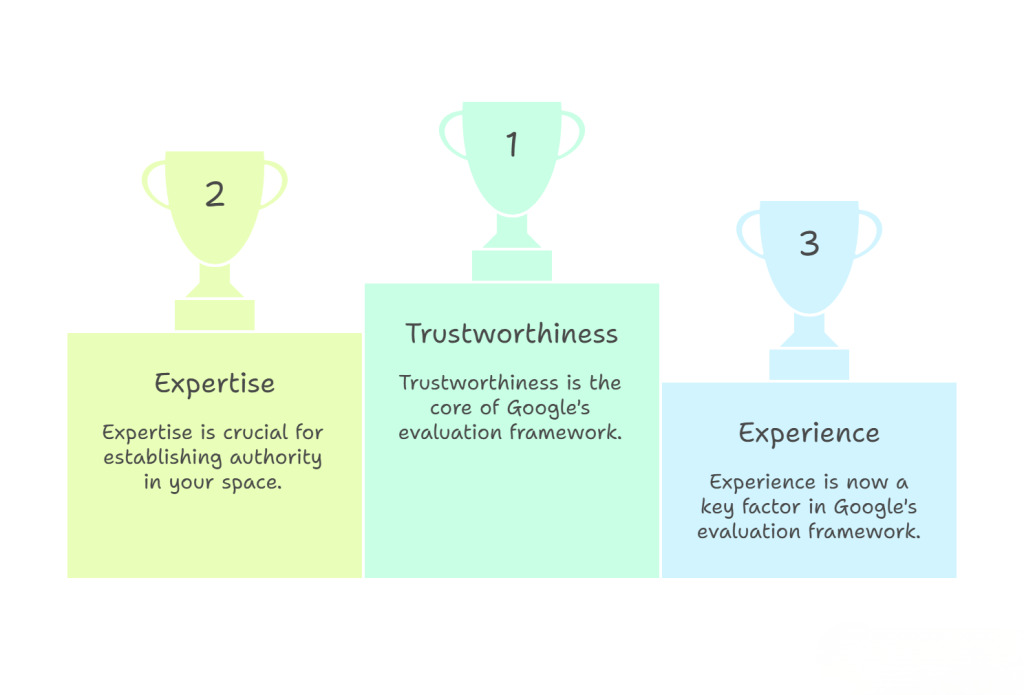
In December 2022, Google added “Experience” to how the algorithm evaluates sites. Now there are four things being measured:
Experience, Expertise, Authoritativeness, and Trustworthiness (E-E-A-T). Trustworthiness sits at the center.
The algorithm turned into a trust detector.
You don’t trick your way to the top anymore. You earn authority by being the expert, not looking like one.
Bottom line: Google’s 2015 algorithm rewarded manufactured signals. The 2026 algorithm rewards earned trust and proven authority.
What Does Google Measure to Determine Authority?
Google moved from measuring signals to measuring trust.
The algorithm watches how your market responds to you:
-
Are authoritative sites citing you?
-
Are people searching for your brand by name?
-
Are you mentioned in conversations across platforms?
-
Do people engage with your content in ways showing trust?
If nobody talks about you, links to you naturally, or searches for you by name, Google knows you’re not an authority. You’re trying to game the system.
Why Social Media Now Affects Your SEO
Starting July 2025, Instagram began letting Google index public content from professional accounts. Your LinkedIn posts, Instagram content, even your comments now feed into whether you’re seen as an authority.
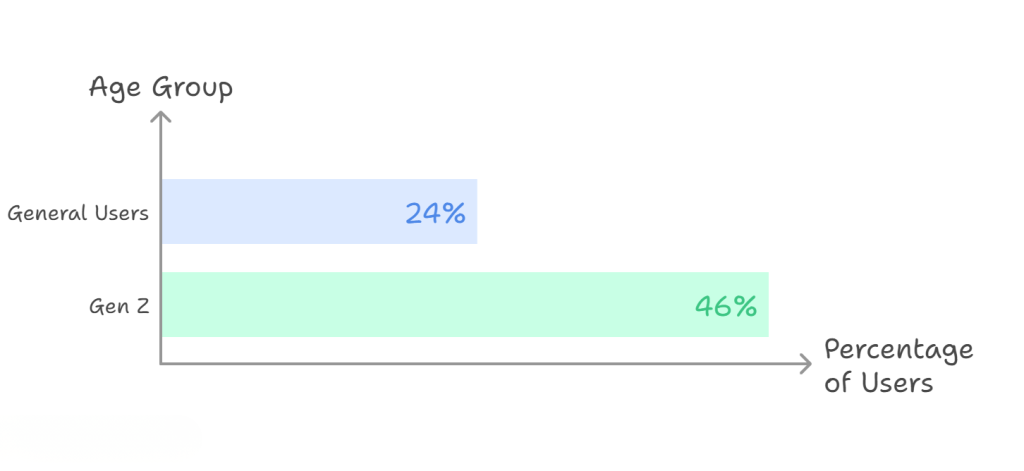
Forbes found 24% of users turn to social media as their main search method. For Gen Z, 46% do.
Social media used to be separate from search. Now they’re the same visibility system.
What this means for you: Google evaluates your authority by watching cross-platform market response, including social media engagement and brand searches.
What Is the Biggest Positioning Mistake Businesses Make?
Most businesses can’t explain why someone should choose them over competitors.
When I ask what makes them different, they say things like:
-
“We provide great service”
-
“We care about our clients”
-
“We have 20 years of experience”
Everyone says this. These are table stakes, not differentiators.
The real problem? They’ve never defined their unique methodology, specific process, or transformation nobody else delivers. They compete on features and price instead of owning a category.
This confusion shows up everywhere. Generic website. Content sounding like everyone else. Ads not converting because there’s no compelling reason to choose them.
So they think they need better SEO. More traffic.
But sending more traffic to a confusing message means more people leaving without taking action.
The root issue: Without clear positioning, optimization efforts amplify confusion instead of conversions.
Why Does Optimization Fail Without Positioning?
Optimizing makes what you have more visible. Positioning makes who you are undeniable.
When you optimize, you’re tweaking. Better headlines. Faster load times. Keyword placement. Trying to get found.
You’re not changing how people perceive you or why they choose you.
What Positioning Does That Optimization Can’t
Positioning answers: “Why you?”
When you own a specific space in the market so clearly someone with a problem you solve sees you as the only logical choice, positioning works.
Google doesn’t show websites anymore. Google shows authorities. Authority comes from positioning, not optimization.
You have the most optimized website in the world? Doesn’t matter. Your messaging is unclear, your offer isn’t differentiated, and you sound like everyone else? Google has no reason to prioritize you.
When your positioning is sharp, everything changes:
-
Your content gets shared
-
People search for you by name
-
Other sites reference you
-
Google sees these trust signals and prioritizes you
This is the Rooted to Rise philosophy. You can’t rise without roots.
Why this matters: Optimization amplifies positioning. Without positioning, optimization amplifies nothing.
What Does Real Authority Content Look Like?
Most businesses treat social media like a billboard. Promoting services. Sharing generic tips. Reposting motivational quotes.
This is surface noise. Proves nothing.
How to Build Authority Instead of Promoting
Authority content teaches. You share frameworks. Break down industry shifts. Call out what’s broken. Give insights people can’t get anywhere else.
Instead of “5 SEO tips,” you explain why most SEO strategies are outdated and what Google rewards now. You take a stance. Show you understand the game at a deeper level.
Consistency matters. Posting once a month won’t build authority. The algorithm and your audience need to see you showing up regularly with valuable insights.
The key? Your voice.
People know when content is authentic versus box-checking. Authority content sounds like you, reflects how you think, and connects to your unique methodology.
When you do this right, people recognize you as the expert before visiting your website. Google notices too.
What makes content authoritative: Teaching frameworks consistently in your authentic voice, not promoting services or sharing generic tips.
What Foundation Do You Need Before SEO Tactics Work?
I’ve watched businesses launch ads, hire SEO agencies, and start content campaigns before their positioning is clear.
What happens?
-
Campaigns underperform
-
Leads are low qualityTraffic comes in without conversions
Then they blame the platform. “Facebook ads don’t work for us.” “SEO takes too long.” “Content marketing isn’t worth spending on.”
The real problem? They’re driving traffic to a message without differentiation. Running an engine without a foundation.
Why Tactics Amplify What You Already Have
Tactics amplify what’s there. Your positioning is weak, your messaging unclear, and your offer blends in? No amount of traffic or optimization fixes this.
We don’t touch the acquisition engine until roots are solid. Once positioning is locked in, once the “why you” is undeniable, the engine works. The same tactics failing before start converting. Why? Because now there’s clarity, authority, and a reason to choose you.
The principle: Foundation strength determines system performance. Fix positioning before scaling tactics.
What Should You Do Differently?
If you’re approaching SEO like it’s 2015, you’re optimizing for an algorithm gone years ago.
Google looks for authorities now. People owning their category. Businesses with clear positioning, consistent presence, and genuine expertise.
The businesses winning right now fixed their roots first. They defined positioning, built authority, then amplified through content and distribution.
You don’t skip the foundation and expect the system to hold.
The shift happened:
-
From keyword obsession to category ownership
-
From technical tricks to earned trust
-
From optimization to positioning
The algorithm changed. Has your strategy?
Common Questions About SEO and Authority Marketing
What’s the difference between SEO in 2015 versus 2026?
2015 SEO rewarded technical manipulation like keyword stuffing and backlink schemes. 2026 SEO rewards authority, trust, and positioning. Google now measures whether your market sees you as an expert, not whether you optimized meta tags correctly.
How long does building authority take compared to traditional SEO?
Traditional SEO promised quick rankings. Authority takes longer to build because you’re earning trust, not gaming an algorithm. Once established, though, authority compounds. Rankings become stable, leads become qualified, and competitors can’t copy your position.
Do backlinks still matter for SEO?
Natural backlinks from authoritative sources matter because they signal trust. Manufactured backlink schemes don’t work anymore. Google distinguishes between earned citations (authority signal) and paid or traded links (manipulation attempt).
Can I build authority without social media?
You build authority wherever your market pays attention. Your audience on LinkedIn? Be there. They read industry publications? Write for those. Social media is indexed now, making presence there more valuable for visibility.
What if my positioning isn’t clear yet?
Start there. Define your unique methodology, specific transformation, and category you own. Without clear positioning, every marketing tactic becomes less effective. Fix roots before building the engine.
How do I know if my content shows authority?
Authority content teaches frameworks, takes stances, and gives insights others don’t. Your content sounds like everyone else’s or focuses on promoting instead of teaching? You’re not building authority.
What happens if I keep using 2015 SEO tactics?
You’ll burn budget on traffic without conversions. Rankings might come, but qualified leads won’t. Google’s algorithm penalizes manipulation attempts and rewards genuine authority. The gap between those approaches widens every algorithm update.
Is Rooted to Rise only for certain industries?
The philosophy applies to any business where positioning matters. You compete on expertise instead of price? Buyers need to trust you before buying? You want qualified leads instead of tire kickers? Rooted to Rise works.
Key Takeaways
-
Google’s 2026 algorithm rewards authority and trust, not keyword manipulation or technical tricks from 2015
-
Social media content is now indexed and directly affects search visibility and authority perception
-
Positioning (why choose you) must come before optimization (getting found) because tactics amplify what exists
-
Authority content teaches frameworks and insights consistently in your voice, not generic tips or service promotion
-
Without clear positioning, more traffic means more people leaving because there’s no compelling reason to choose you
-
The Rooted to Rise philosophy states you can’t rise without roots, foundation determines system performance
-
Businesses winning now fixed positioning first, built authority second, then amplified through distribution